



Most people have heard of birthstones. Far fewer have heard of birth flowers — and that is part of what makes them feel like such a lovely, personal discovery. Just as every month has its own gemstone, it also has its own flower, each carrying a meaning of its own. This is a guide to where the tradition comes from, why some months have two flowers, and how to find the one that belongs to you or someone you love.
What is birth flower jewellery?
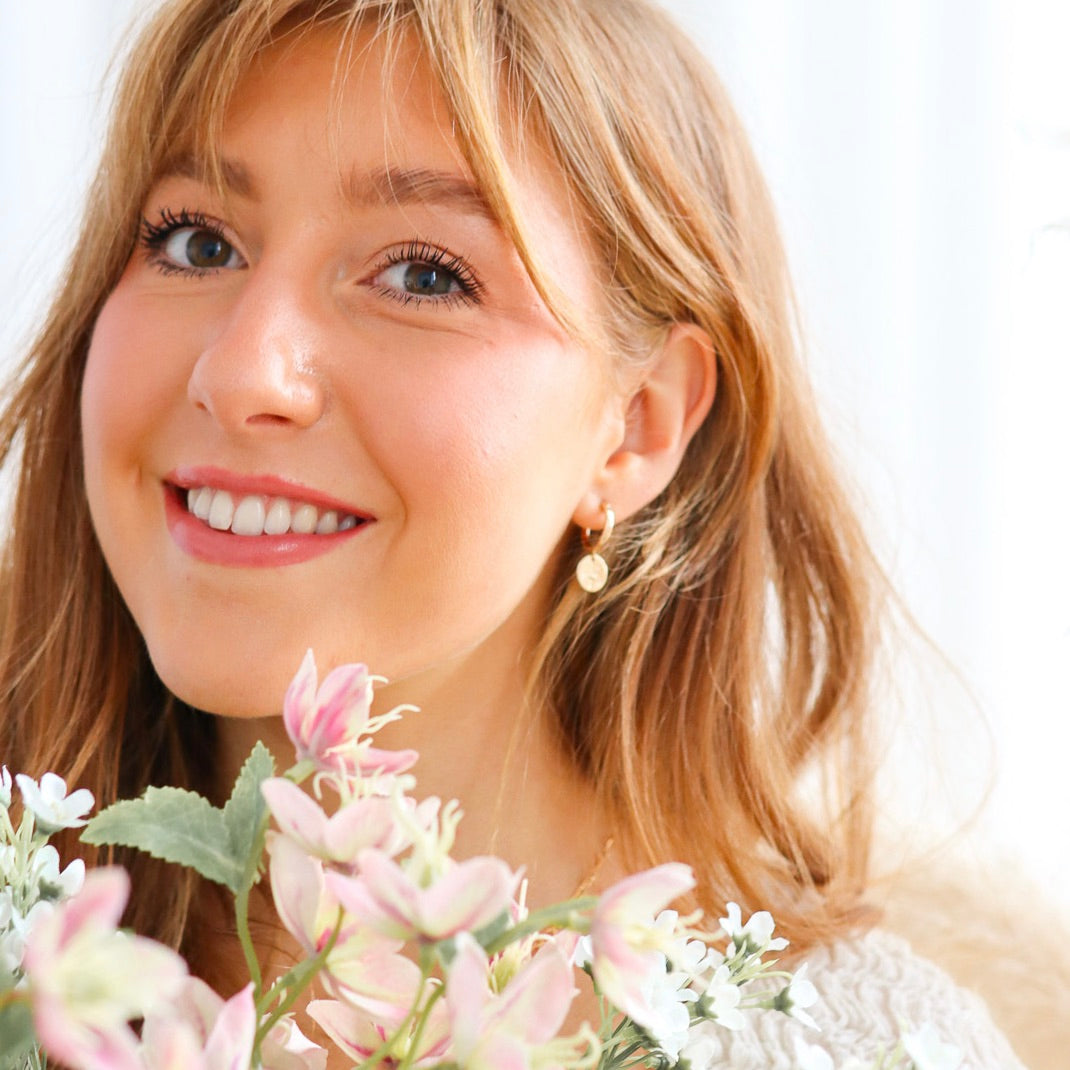
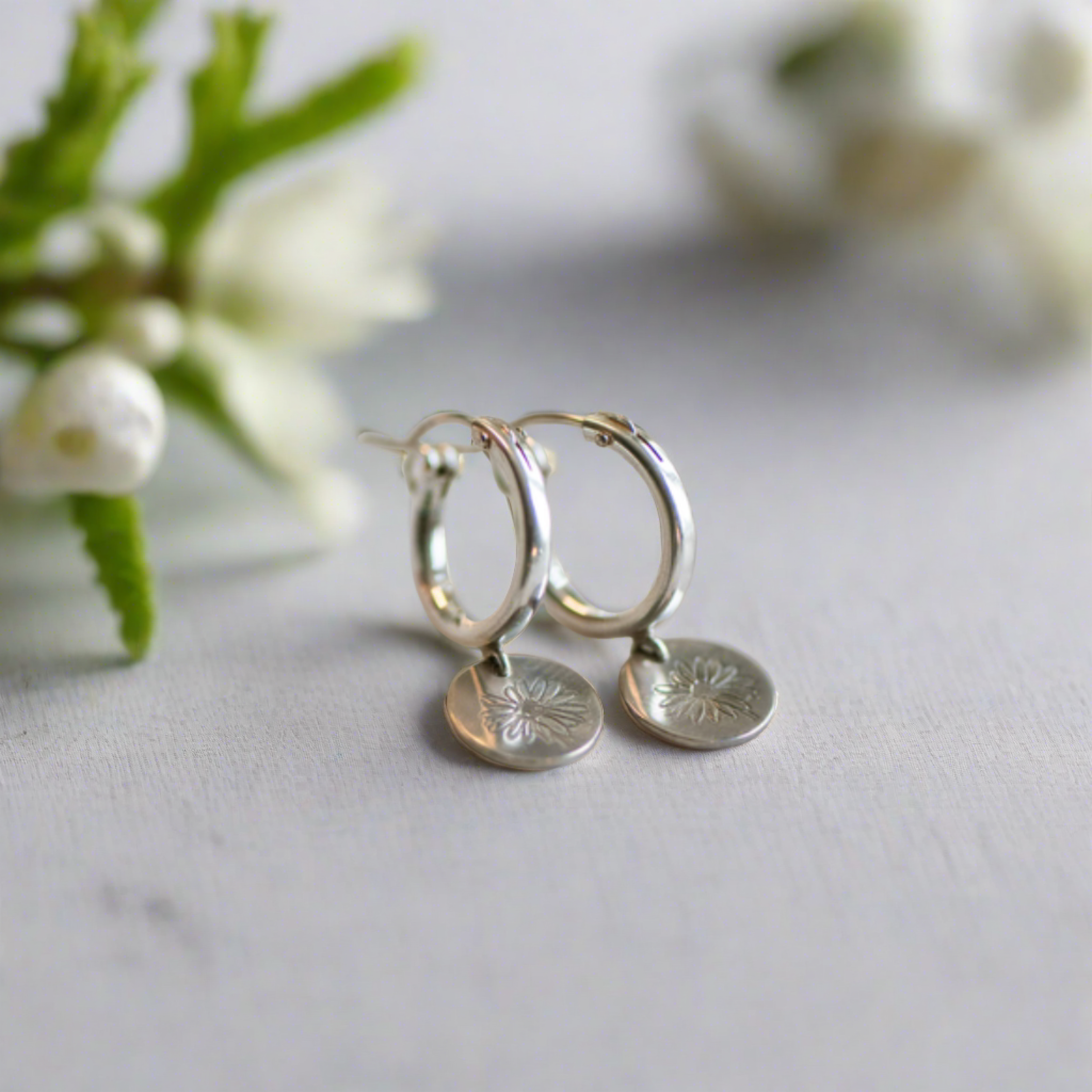
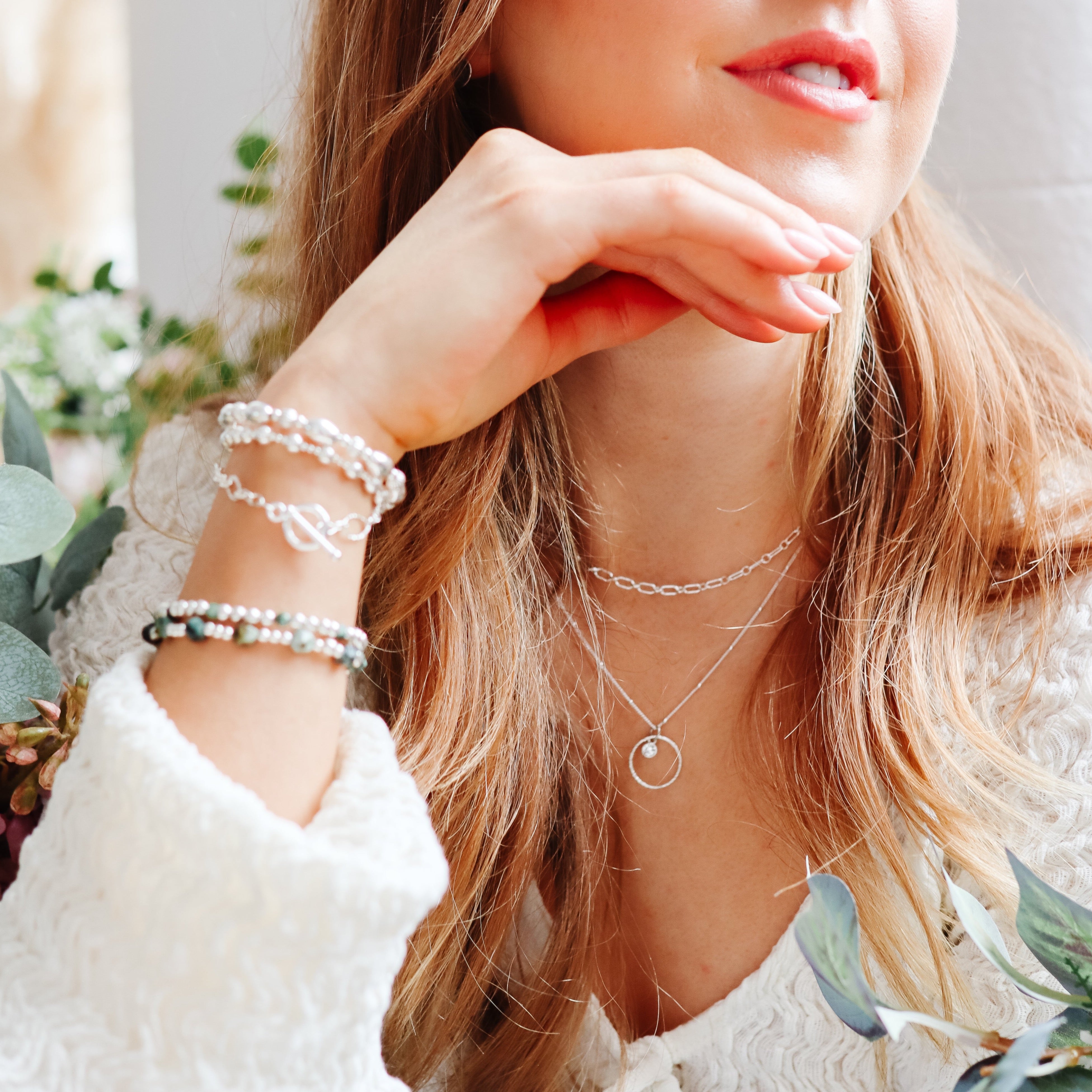
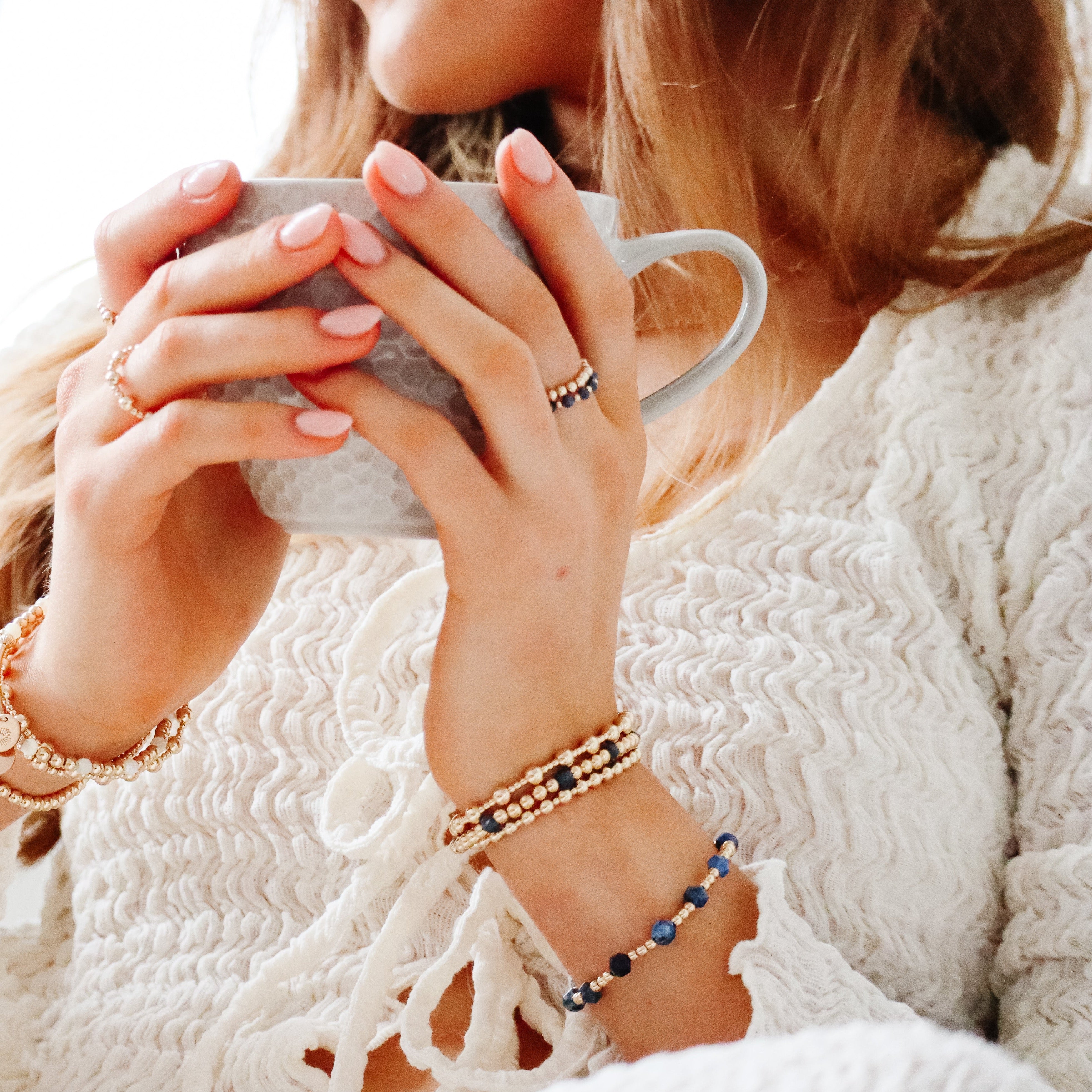
Birth flower jewellery takes the flower traditionally linked to each month of the year and turns it into something you can wear every day. Rather than a gemstone, you carry the bloom tied to your birth month — your own, or that of the people closest to you. It is a way to hold someone close: a mother wearing her children's flowers, a daughter carrying her mum's, a piece that still means something long after a birthday has passed.

Where did birth flowers come from?
No one can point to the exact moment the tradition began, which is part of its charm. Many trace it back to the Romans, who marked birthdays and celebrations with flowers. The idea appears in print as far back as 1907, in a book of ideas for celebrating each day of the year, and by the 1980s it had become established enough to be given its own official subject heading by the Library of Congress in America.
So while the full history is a little hazy, birth flowers have clearly been cherished for well over a century — and the meanings attached to each bloom have carried down through all of it.
Why haven't more people heard of them?
Birthstones had a great deal of help along the way — the jewellery trade promoted them heavily for decades, so most of us grew up knowing our stone. Birth flowers never had that push. They stayed quieter, passed along more gently, which is exactly why so many people meet them for the first time as adults and find them all the more special for it. There is something lovely about a tradition that feels a little like a secret.
Are birth flowers like star signs?
This is one of the questions I am asked most, so it is worth clearing up. Birth flowers are not like zodiac signs. Star signs run across two months, with a cut-off date part way through — but birth flowers simply follow the calendar month. Your birth flower is decided by the month you were born in, from the first day to the last. Anyone born in May shares May's flowers, whether their birthday falls on the 1st or the 31st; anyone born in October shares October's. There are no in-between dates to work out and no overlap between months — just the twelve months of the year, each with its own flower. It really is as simple as knowing the month someone was born.
Why do some months have two flowers?
You will notice many months have not one flower but two, and there are a few gentle reasons why. Traditionally, some British birth flowers are a single bloom — March is the daffodil, for example, and November the chrysanthemum. We have chosen to offer a second flower alongside these, adding the European favourites of cherry blossom for March and peony for November, so there is more than one option to choose from. Elsewhere, a month may carry two flowers simply because more than one blooms at that time of year, or because their colours echo one another. The result is that different sources sometimes list slightly different flowers — and the ones we use are the flowers of the Rebecca May Jewellery collection, chosen to give you the widest choice of meaning.

How to find your birth flower -
Here are all twelve months and the meanings behind each flower:
| Month | Birth flowers | What they mean |
|---|---|---|
| January | Carnation & Snowdrop |
Devotion, love and affection · Purity, hope and innocence |
| February |
Iris & Violet |
Courage, hope and wisdom · Loyalty, love and faithfulness |
| March |
Daffodil & Cherry Blossom |
Happiness and new beginnings · Love, beauty and strength |
| April |
Daisy & Sweet Pea |
Purity, innocence and loyalty · Blissful pleasure and friendship |
| May |
Sweetness, purity and happiness · Hope, happiness and beauty |
|
| June |
Beauty, love and honour · Happiness and devotion |
|
| July |
Larkspur & Water Lily |
Love, joy and grace · Happiness, purity and innocence |
| August | Poppy & Gladiolus |
Beauty, strength and love · Strength, generosity and honesty |
| September |
Aster & Morning Glory |
Love, wisdom and faith · Affection, love and grace |
| October | Marigold & Cosmos |
Warmth, love and creativity · Order, peace and serenity |
| November | Chrysanthemum & Peony |
Love and grace · Love, honour and happiness |
| December |
Holly & Narcissus |
Sweetness, peace and goodwill · Faithfulness, respect and modesty |
Want to go deeper? Each month has its own guide, exploring both flowers, their history and their meaning — follow the series as it grows.
It doesn't have to be your own flower
Here is the thing I most want people to know: your birth flower jewellery does not have to be about your own birth month at all.
If you are not drawn to your own flower, you can choose someone else's. I wear my three children's flowers rather than my own — and that small change turns a piece of jewellery into something I can wear every day while holding my children close. That is the heart of what these pieces are for.
So there are far more options than just your own month. You might choose the flowers of your children or grandchildren, the flower of a parent, or the flower of someone you have loved and lost, to keep them close. You might choose a flower purely for its meaning — one whose message suits the person perfectly. Or it might be a flower tied to a memory: a snowdrop that reminds you of your grandad, or a bloom from a garden you grew up with.
However you come to it, the flower you choose is yours to decide. It does not have to follow a birthday — it just has to mean something.
How each flower becomes a piece
Every birth flower design is my own, hand-drawn in my studio in County Down. From those drawings, each flower can be made up as a hand-stamped pendant — struck by hand from my own metal stamp — or engraved onto a smooth disc, in sterling silver or gold filled. Every piece is made to order, so it can hold a single flower, both flowers of a month, or a whole family's worth of months gathered together on one piece.

Find your flower
Whether you are marking your own birth month or carrying someone else's close, you will find all of the designs in the birth flower collection at rebeccamayjewellery.com. However you choose to wear it, I hope it helps you hold someone a little closer.
You can explore all 24 of our hand-stamped flower designs and their meanings in our BIRTH FLOWER COLLECTION
Each pendant can also be engraved on the reverse, adding a name, date, or short message for a truly personal touch.

Leave a comment